
What Is an Applicant Tracking System (ATS)? How It Works & Why It Matters
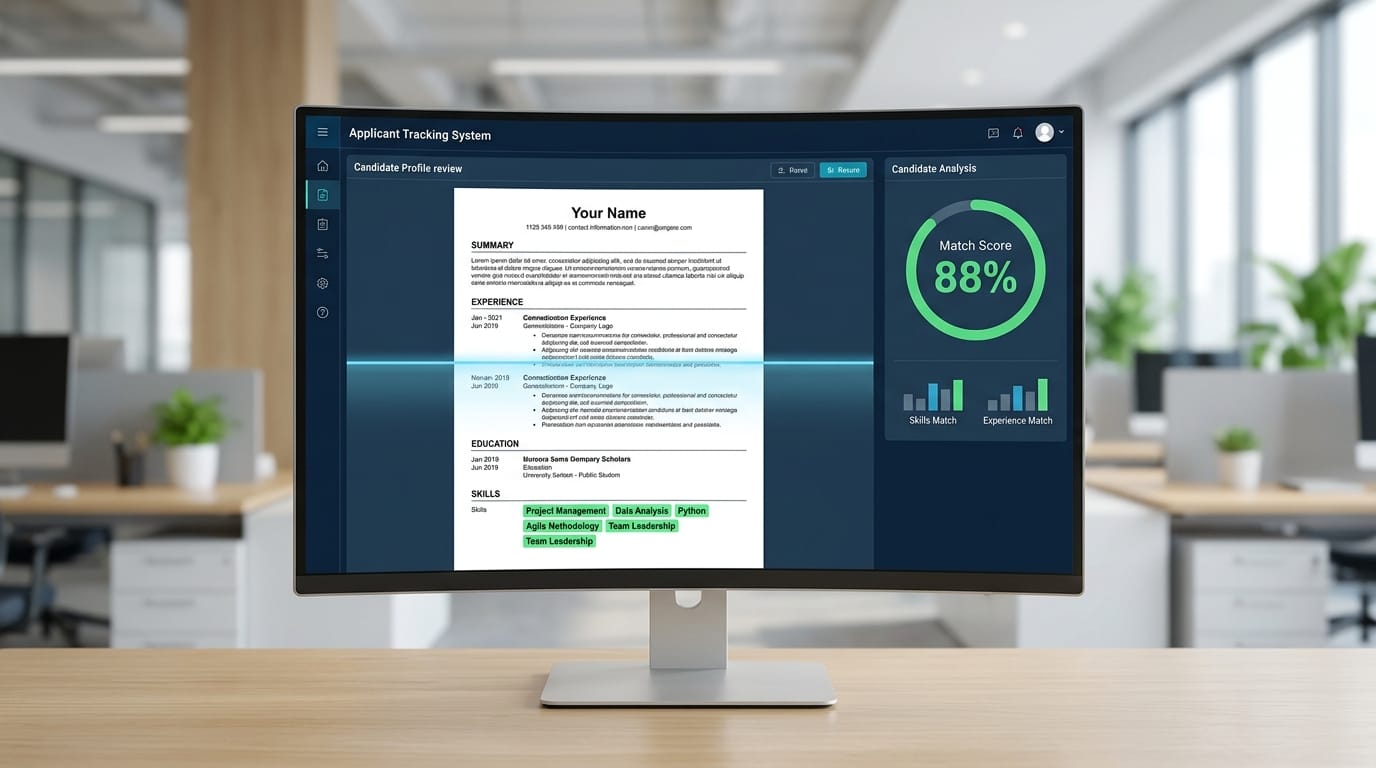
If you've ever applied for a job online and never heard back, you've probably wondered whether anyone actually looked at your resume.
In many cases, the first "reviewer" isn't a recruiter, it's an Applicant Tracking System, commonly known as an ATS.
These systems have become a standard part of the hiring process for companies of all sizes, helping recruiters manage hundreds or even thousands of applications for a single role. Because of this, understanding how an ATS works has become just as important as writing a strong resume.
The good news is that an ATS isn't designed to make job searching harder. It's designed to help employers organise applications and identify candidates who closely match a role.
In this guide, you'll learn what an Applicant Tracking System (ATS) is, how it works, why employers use it, and how you can improve your chances of getting your resume in front of a recruiter.
What Is an Applicant Tracking System (ATS)?
An Applicant Tracking System (ATS) is software that helps employers collect, organise, and manage job applications throughout the hiring process.
Instead of reviewing every resume manually, recruiters use an ATS to store applications, search for candidates, and filter resumes based on factors such as skills, qualifications, experience, and keywords from the job description.
Today, Applicant Tracking Systems are used by businesses ranging from small organisations to large multinational companies. They're particularly valuable for employers who receive a high volume of applications for a single vacancy.
According to the Society for Human Resource Management (SHRM), many employers use recruitment technology to help organise applications and make the hiring process more efficient. While every organisation has its own hiring process, Applicant Tracking Systems have become a common part of modern recruitment.
For job seekers, this means your resume often passes through an ATS before it reaches a hiring manager.
How Does an ATS Work?
Although different ATS platforms have different features, the process is generally similar.
When you submit an application, the system stores your resume and extracts important information, such as your contact details, work experience, education, skills, and certifications.
The ATS then organises that information so recruiters can quickly search for candidates who meet the requirements of the role.
For example, if an employer is hiring a Digital Marketing Specialist, they may search for candidates with skills such as:
- SEO
- Google Analytics
- Content Marketing
- Meta Ads
- Email Marketing
If your resume demonstrates those skills and they accurately reflect your experience, it's more likely to appear in the recruiter's search results.
This is why carefully reading the job description and tailoring your resume to match the role is so important. Using relevant keywords naturally, not stuffing them into your resume, helps demonstrate that your experience aligns with what the employer is looking for.
Why Do Employers Use Applicant Tracking Systems?
Hiring teams often receive hundreds of applications for a single position. Reviewing every resume manually would take an enormous amount of time.
An Applicant Tracking System helps employers streamline that process by allowing recruiters to:
- Organise applications in one place.
- Search resumes using specific skills or qualifications.
- Track candidates throughout the hiring process.
- Collaborate with hiring managers.
- Reduce administrative work during recruitment.
Rather than replacing recruiters, an ATS helps them work more efficiently. Recruiters still make hiring decisions, conduct interviews, and assess whether a candidate is the right fit for the role.
Understanding this can also help job seekers avoid a common misconception, that an ATS is automatically rejecting resumes without any human involvement. In reality, it's a tool that helps recruiters manage applications more effectively.
Does an ATS Automatically Reject Resumes?
One of the biggest myths about Applicant Tracking Systems is that they automatically reject resumes simply because they don't contain enough keywords.
While an ATS helps recruiters filter and search applications, hiring decisions are still made by people.
A resume may be overlooked if it doesn't clearly demonstrate the required skills or qualifications, but that doesn't mean the software has "rejected" the candidate on its own.
The best approach isn't to try to trick the ATS. Instead, focus on creating a clear, relevant resume that accurately reflects your experience and aligns with the job description.
This is also why tailoring your resume for each application often produces better results than sending the same generic resume to every employer.
How to Make Your Resume ATS-Friendly
Creating an ATS-friendly resume doesn't mean filling it with keywords or trying to outsmart the software. Instead, it's about presenting your experience in a way that's clear, relevant, and easy for both the ATS and recruiters to understand.
Here are a few best practices:
Tailor Your Resume to the Job Description
Every job posting is different, so your resume should reflect the skills and qualifications that are most relevant to the position.
Pay close attention to the language used in the job description and naturally incorporate relevant skills where they accurately describe your experience. This helps demonstrate that you're a strong match for the role.
If you're unsure which experience to prioritise, our guide on What Is Relevant Work Experience? explains how to identify and showcase the experience employers are most interested in.
Use a Clear Resume Format
Complex layouts, excessive graphics, tables, and unusual fonts can make your resume more difficult to read.
A simple, professional format with clear section headings allows recruiters to find important information quickly and helps ensure your resume is easy to review.
If you're creating a new resume or updating an existing one, Preplink.ai Resume Builder can help you build a clean, professional resume that's designed to be easy for both recruiters and Applicant Tracking Systems to read.
Read our guide on How Long Should a Resume Be?
Include Relevant Skills Naturally
Adding keywords simply because they appear in the job description won't improve your application if they don't reflect your actual experience.
Instead, include skills you've genuinely used and support them with examples from your work history, projects, or achievements whenever possible.
Should You Test Your Resume Before Applying?
Absolutely.
Even a well-written resume can miss important keywords or fail to highlight the experience an employer is looking for.
Before submitting your application, it's worth reviewing your resume against the job description to identify opportunities for improvement.
Preplink.ai Resume Scan analyses your resume, compares it with the role you're applying for, identifies missing keywords, and provides actionable suggestions to help you create a stronger, more ATS-friendly application before you click Apply.
Final Thoughts
An Applicant Tracking System isn't something job seekers should fear, it's simply a tool that helps employers manage applications more efficiently.
Understanding how an ATS works allows you to prepare a resume that's easier for recruiters to find and evaluate. By tailoring your resume to each job description, highlighting relevant skills and experience, and using a clear, professional format, you'll improve your chances of progressing to the next stage of the hiring process.
Rather than trying to "beat" the ATS, focus on creating a resume that accurately reflects your qualifications and demonstrates why you're the right fit for the role. A resume that's written for both recruiters and Applicant Tracking Systems gives you the best chance of turning applications into interviews.