
What Is Relevant Work Experience? Meaning, Examples & How to Include It on Your Resume (2026)
When applying for a job, you've probably come across the phrase "relevant work experience." Employers mention it in job descriptions, recruiters ask about it during interviews, and it's one of the most important sections of your resume.
But what exactly counts as relevant work experience?
Many job seekers assume it only refers to full-time jobs in the same industry. That's a common misconception. In reality, relevant work experience is much broader and can include internships, volunteer work, freelance projects, part-time jobs, academic projects, and other experiences that demonstrate skills related to the role you're applying for.
Understanding what relevant work experience means can help you build a stronger resume, tailor your applications more effectively, and improve your chances of getting interviews.
In this guide, you'll learn what relevant work experience is, why employers value it, what counts as relevant experience, and how to identify the experiences that deserve a place on your resume.
What Is Relevant Work Experience?
Relevant work experience refers to any professional, academic, or practical experience that demonstrates the skills, knowledge, or abilities needed for the job you're applying for.
The keyword is "relevant."
An experience is considered relevant if it helps convince an employer that you can perform the responsibilities of the role, regardless of where or how you gained that experience.
For example, if you're applying for a digital marketing position, managing social media for a student organisation, completing a marketing internship, or running your own content creation project could all be considered relevant work experience because they demonstrate applicable skills.
According to the Purdue University Online Writing Lab (OWL), relevant experience is a broad category. Their guidelines highlight that unpaid internships, volunteer work, research, and paid jobs can all serve as equivalent experience on a resume as long as they align with the field you are targeting.
What Does “Years of Relevant Experience” Mean?
When a job description asks for a specific number of years of relevant experience, it means the amount of time you've spent doing work that directly relates to the skills, responsibilities, or requirements of the position.
For example, if an employer asks for 3 years of relevant experience in digital marketing, they're generally looking for experience involving digital marketing responsibilities rather than simply three years of working in any job.
Relevant experience can come from full-time employment, part-time jobs, internships, freelance work, volunteer roles, or other practical experience, depending on how closely it relates to the position.
The key is relevance, not simply the number of years you've been working.
If you're unsure how to calculate your relevant experience or answer this question on a job application, read our guide on How to answer “How Many Years of Relevant Experience Do You Have?”
Why Relevant Work Experience Matters
Recruiters aren't simply looking for candidates who have worked the longest.
They're looking for candidates whose experience shows they can succeed in the role they're hiring for.
That's why two candidates with the same number of years of experience may receive very different responses from employers. One candidate may have experience that's closely aligned with the position, while the other's background may be less relevant.
Highlighting relevant work experience helps employers quickly understand:
- The skills you've already developed.
- The responsibilities you've handled.
- The type of work you've completed.
- How your previous experience relates to their vacancy.
This is especially important because recruiters often spend only a short time reviewing each resume before deciding whether to continue reading.
What Counts as Relevant Work Experience?
One of the biggest mistakes job seekers make is assuming that only paid, full-time employment belongs on a resume.
In reality, employers recognize many different types of experience if they're connected to the role you're applying for.
Full-Time Employment
Previous full-time roles that required similar responsibilities are usually the most obvious examples of relevant work experience.
For example, someone applying for a Human Resources position may include previous experience in recruitment, onboarding, employee relations, or administrative support.
Part-Time Jobs
Part-time work can also be relevant, particularly if it helped you develop transferable skills such as communication, teamwork, customer service, or problem-solving.
A customer service role, for instance, can demonstrate valuable interpersonal skills that apply across many industries.
Internships
Internships provide practical experience that employers value, especially for students and recent graduates.
Even if your internship was short-term, it can demonstrate your ability to apply classroom knowledge in a professional environment.
Freelance Work
Freelance projects often involve real clients, deadlines, collaboration, and measurable outcomes.
Whether you're a graphic designer, writer, developer, marketer, or consultant, freelance work can strengthen your resume by showcasing practical experience and initiative.
Volunteer Experience
Volunteer work is another form of relevant experience that's frequently overlooked.
Leading a fundraising campaign, organizing community events, mentoring students, or managing communications for a non-profit organisation can all demonstrate skills that employers value.
Academic and Personal Projects
Projects completed during university, bootcamps, online courses, or personal learning can also be relevant.
For example, building a mobile application, conducting market research, designing a website, or analyzing business data can all demonstrate technical and problem-solving skills, even if they weren't completed in a paid role.
The important question isn't whether you were paid.
It's whether the experience helps demonstrate your ability to perform the job you're applying for.
How to Include Relevant Work Experience on Your Resume
Knowing what counts as relevant work experience is only half the battle. You also need to present it in a way that shows employers why it matters.
Prioritize the Most Relevant Experience
Don't feel obligated to list every role you've ever held.
Instead, place the experience that's most relevant to the position near the top of your work experience section, even if another role is more recent but less applicable.
Recruiters want to quickly see why you're a strong fit for the role, so make the most relevant information easy to find.
Focus on Achievements, Not Just Responsibilities
Simply listing your daily duties doesn't tell employers what you accomplished.
Instead of writing:
- Assisted with social media management.
- Responded to customer enquiries.
Write:
- Created and scheduled social media content that increased engagement by 30% over three months.
- Resolved customer enquiries while maintaining a 95% customer satisfaction rating.
Where possible, include numbers or measurable results to demonstrate your impact.
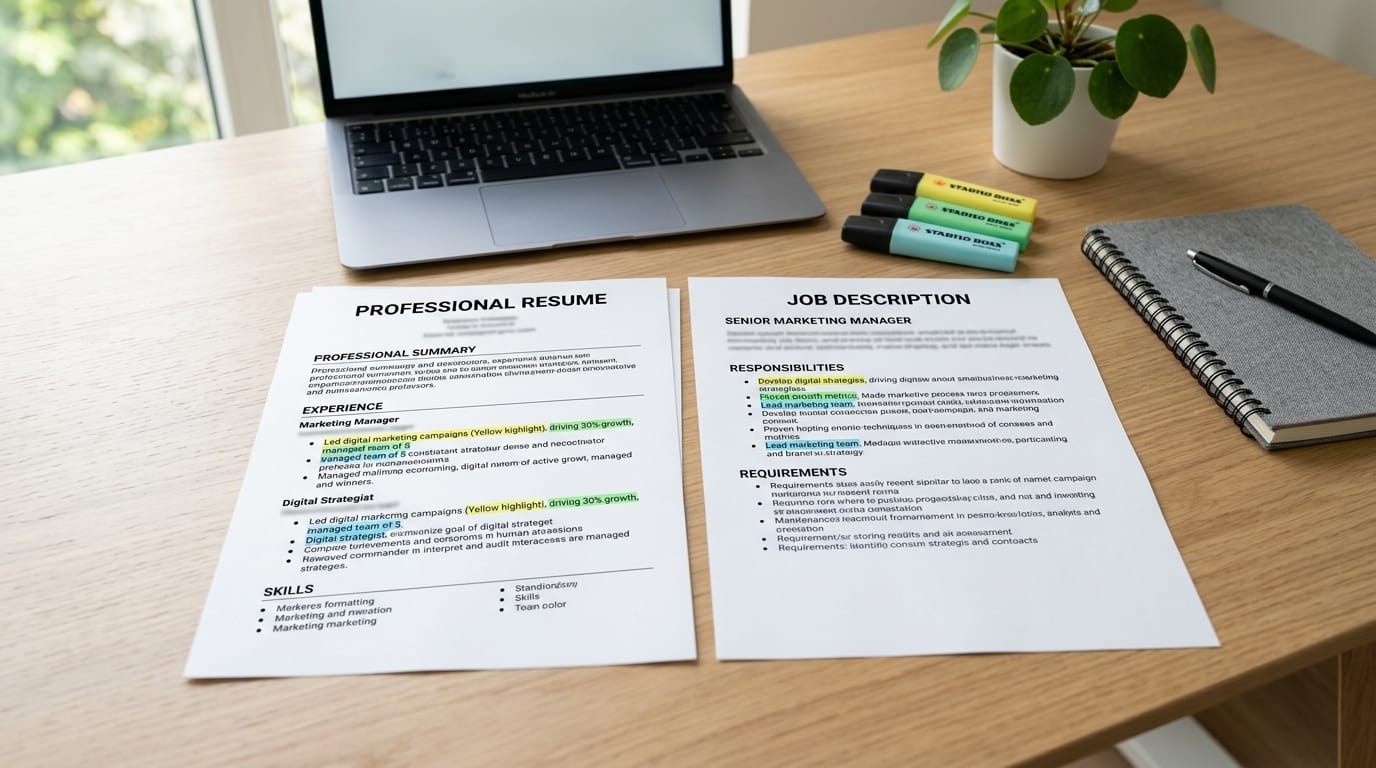
Tailor Your Experience to the Job Description
A resume shouldn't be identical for every application.
Before applying, review the job description and identify the skills and responsibilities that appear most important. Then update your resume so your most relevant experience reflects those requirements accurately.
For example, if one employer prioritizes project management while another focuses on customer service, the experience you choose to highlight should reflect those differences.
If you're tailoring your resume for different roles, Preplink.ai Resume Builder allows you to import your existing resume and tailor it to a specific job description instead of rewriting everything from scratch. This makes it easier to emphasize the experience that's most relevant to each application while keeping your resume organised and ATS-friendly.
Tailoring your work experience is only one part of creating a strong application. If your resume includes a career objective, make sure it also aligns with the role you're applying for. Learn how to write an effective one in our guide on What Is a Career Objective? Meaning, Purpose, and How to Write One (2026).
Common Mistakes to Avoid
Even experienced professionals sometimes weaken their resumes by presenting their work experience poorly.
Here are a few mistakes to avoid.
Including Experience That Isn't Relevant
If a previous role doesn't demonstrate skills or experience related to the job you're applying for, consider shortening it or removing unnecessary details.
Your resume should highlight quality over quantity.
Using Generic Job Descriptions
Recruiters already know what a sales assistant, administrative officer, or customer service representative typically does.
Instead of copying your job description, explain what you achieved and how you contributed.
Ignoring Transferable Skills
Many candidates underestimate the value of transferable skills.
Leadership, communication, organisation, teamwork, and problem-solving can all be developed in different environments and remain relevant across multiple industries.
Forgetting to Update Your Resume
As you gain new experience, your resume should evolve with you.
Review it regularly to ensure your most valuable and relevant experience is clearly presented.
Relevant Work Experience Looks Different for Everyone
There's no single definition of the "perfect" work experience.
For a recent graduate, relevant experience may come from internships, university projects, volunteering, or part-time jobs.
For someone changing careers, it may come from transferable skills developed in another industry.
For experienced professionals, it often comes from previous roles with similar responsibilities and measurable achievements.
The key is showing employers how your experience prepares you to succeed in the role you're applying for.
Final Thoughts
Understanding what relevant work experience means can make a significant difference to the quality of your resume and the success of your job applications.
Rather than trying to include every role you've ever held, focus on the experiences that best demonstrate your ability to perform the job. Whether those experiences come from full-time employment, internships, freelance work, volunteering, or personal projects, what matters most is their relevance to the position.
Taking the time to tailor your resume for each application can also help ensure your most valuable experience stands out. If you're unsure whether your resume is emphasizing the right experience, reviewing it against the job description before applying can help you identify opportunities to make your application more relevant and compelling.
A strong resume doesn't necessarily belong to the candidate with the longest work history, it belongs to the candidate who presents the most relevant experience in a clear, focused, and meaningful way.