
How to Prepare for a Job Interview in 24 Hours
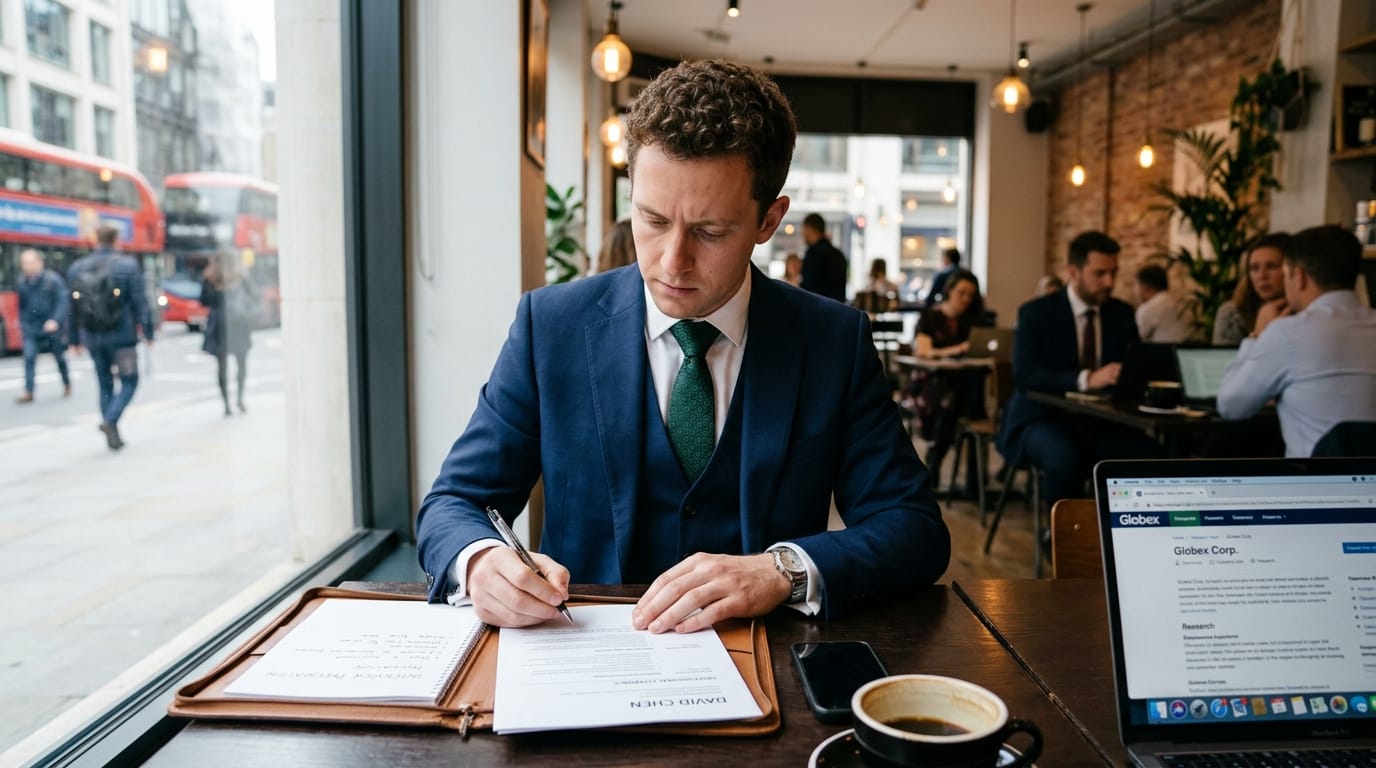
Getting an interview invitation with less than 24 hours to prepare can feel stressful.
Your mind starts racing:
- “What if I’m not ready?”
- “What if they ask something I can’t answer?”
- “What if I mess it up?”
The good news is this: you do not need weeks of preparation to perform well in an interview.
What matters most is focused preparation.
In fact, many candidates waste time trying to memorize answers instead of preparing strategically. If you use your next 24 hours correctly, you can walk into your interview more confident, more structured, and far more prepared than most applicants.
Here’s exactly how to do it.
1. Understand the Job Role Properly
The biggest mistake candidates make before interviews is preparing generally instead of preparing specifically.
Before anything else:
- Read the job description carefully
- Identify the key responsibilities
- Look for repeated keywords
- Understand what problem the company is hiring to solve
Pay attention to:
- Technical requirements
- Communication expectations
- Leadership responsibilities
- Remote work expectations
- Software/tools mentioned repeatedly
This helps you predict the kind of questions the interviewer is likely to ask.
According to Indeed’s Interview Preparation Guide, reviewing the job description is one of the most effective ways to prepare targeted interview answers.
2. Research the Company Without Over complicating It
You do not need to memorize the company’s entire history.
Focus on understanding:
- What the company does
- Its products or services
- Company culture
- Recent news or updates
- What the role contributes to
A quick scan of:
- The company website
- LinkedIn page
- Recent announcements
is usually enough.
The goal is simple:
Show that you understand where you’re applying and why you fit.
3. Review Your Resume Carefully
A surprising number of candidates fail interviews because they cannot confidently explain what is already written on their resume.
Go through:
- Projects
- Achievements
- Work experience
- Technical skills
- Certifications
Make sure you can clearly explain:
- What you did
- How you did it
- The result it created
This is where many candidates realize their resume may contain weak phrasing or unclear accomplishments.
If your resume feels vague or inconsistent, tools like Preplink.ai Resume Scan can help identify weak areas before the interview.
4. Prepare Answers to Common Interview Questions
You do not need to memorize scripts.
Instead, prepare structured talking points for common questions like:
- Tell me about yourself
- Why do you want this role?
- What are your strengths and weaknesses?
- Describe a challenge you faced
- Why should we hire you?
The best answers are:
- Clear
- Concise
- Achievement-focused
- Easy to follow
A simple structure that works well is:
- Situation
- Action
- Result
This keeps your answers organized instead of rambling.
Read How To Answer the “Are You a Team Player?” Interview Question
5. Practice Out Loud, Not Just in Your Head
Reading interview answers silently is not real preparation.
Interviews test:
- Confidence
- Clarity
- Communication under pressure
You need to hear yourself speak.
Practice:
- Introducing yourself
- Explaining projects
- Answering behavioral questions
- Discussing achievements naturally
This is where Preplink.ai Mock Interview becomes useful. It helps simulate real interview scenarios so you can practice under realistic conditions instead of guessing how you sound.
6. Prepare Questions to Ask the Interviewer
One mistake candidates make is ending interviews with:
- “No, I don’t have any questions.”
That signals low interest.
Good questions can make you sound thoughtful and engaged.
Examples:
- What does success look like in this role?
- What are the biggest challenges the team is facing?
- How does the company support growth and learning?
- What would the first 90 days look like?
According to Indeed’s Interview Guide, candidates who ask thoughtful questions often leave stronger impressions during interviews.
Read our guide on 10 Smart Interview Questions to Ask Your Interviewer (Plus 3 You Should Avoid)
7. Prepare Your Environment (Especially for Virtual Interviews)
If the interview is online:
- Test your microphone
- Check your internet connection
- Charge your device
- Prepare a quiet environment
- Test your camera angle and lighting
You do not want technical issues increasing your anxiety minutes before the interview starts.
8. Stop Trying to Be Perfect
This is important.
Many candidates fail interviews because they focus too much on saying the “perfect” thing.
Interviewers are not expecting perfection.
They are usually evaluating:
- Confidence
- Communication
- Problem-solving
- Professionalism
- Self-awareness
If you don’t know an answer, stay calm and think through it logically instead of panicking.
A structured response is always better than a rushed one. You can also check out our guide on How to Prepare for an Interview in 11 Simple Steps (2026 Guide)
9. Get Proper Rest Before the Interview
Last-minute cramming usually hurts performance more than it helps.
Sleep affects:
- Memory
- Focus
- Communication
- Confidence
- Decision-making
A tired candidate often sounds uncertain even when they know the answer.
Preparing your mind matters just as much as preparing your answers.
Final Thoughts
Preparing for a job interview in 24 hours is absolutely possible when you focus on the right things.
Instead of trying to memorize everything:
- Understand the role
- Review your experience
- Practice speaking clearly
- Prepare structured answers
- Focus on confidence over perfection
Most candidates walk into interviews unprepared for real conversation.
If you prepare strategically, you already put yourself ahead of a large percentage of applicants.
And sometimes, that’s the difference between another rejection and your next job offer.