How to Pass a Job Interview in 2026
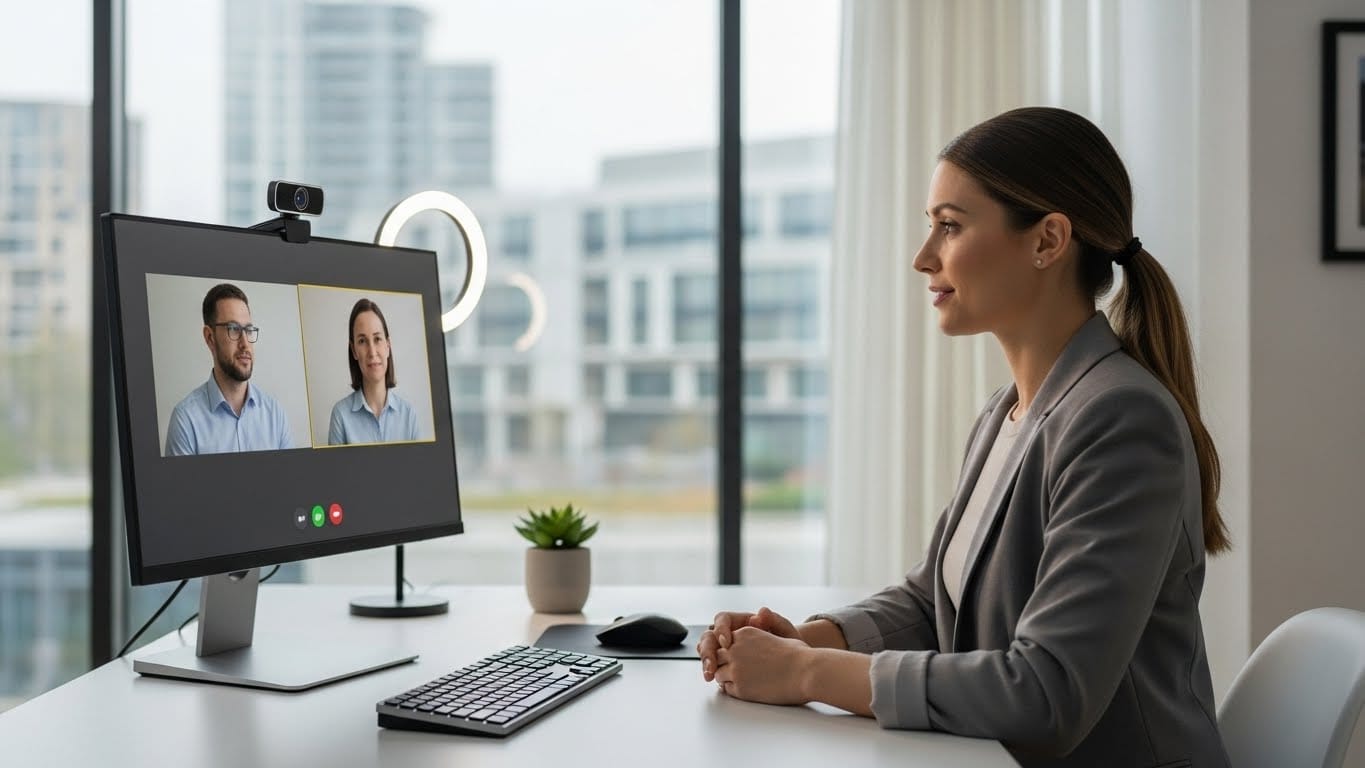
Job interviews in 2026 look very different from what many candidates are used to. Interviews are faster, more structured, and often supported by AI tools. Some happen entirely online. Others involve multiple stages, automated screenings, and real-time assessments.
To pass a job interview today, you need more than confidence. You need preparation, clarity, and the ability to communicate your value clearly.
Here’s how to approach interviews in 2026 and increase your chances of success.
Understand the New Interview Process
Many companies now use:
- AI screening tools
- Virtual interviews
- Structured competency-based questions
Before the interview, research the company’s hiring process. Know whether you’re facing a live recruiter, a panel, or an AI-assisted interview.
Preparation starts with knowing what kind of interview you are walking into.
Prepare for Common Interview Questions
Interviewers still ask familiar questions, but expectations have changed.
You should be ready to answer:
- Tell me about yourself
- Why should we hire you?
- What skills do you bring to this role?
- How do you handle challenges or failure?
Your answers should be:
- Clear
- Relevant to the role
- Backed by examples
Avoid memorised scripts. Focus on structured, natural responses.
Show Skills, Not Just Qualifications
Degrees and certificates matter less than they used to. Interviewers want proof that you can do the job.
Be ready to explain:
- How you applied your skills in real situations
- What problems you’ve solved
- What tools or systems you’ve worked with
Even internships, personal projects, and volunteer work count when explained properly.
Practice Interviewing Before the Real Interview
Practice is one of the biggest differences between candidates who pass and those who fail.
Mock interviews help you:
- Improve confidence
- Refine answers
- Identify weak areas
Using tools like Preplink.ai’s Mock Interviews allows you to practise realistic interview scenarios and receive feedback before facing a real recruiter.
Prepare for Virtual Interviews
Remote and hybrid interviews are now standard.
Before the interview:
- Test your internet connection
- Check your camera and microphone
- Choose a quiet, well-lit space
Maintain eye contact with the camera, speak clearly, and avoid distractions. Virtual interviews are assessed just as seriously as in-person ones.
Ask Smart Questions at the End
Interviewers expect candidates to ask questions.
Good questions show:
- Interest in the role
- Understanding of the company
- Long-term thinking
Examples include:
- What does success look like in this role?
- How does the team measure performance?
- What growth opportunities are available?
Avoid asking questions that could easily be found online.
Demonstrate Soft Skills Clearly
In 2026, employers care deeply about:
- Communication
- Time management
- Problem-solving
- Adaptability
Use real examples to show these skills. Don’t just say you have them. Explain how you use them.
Follow Up Professionally
After the interview:
- Send a short thank-you email
- Reaffirm your interest
- Highlight one key strength you discussed
This small step can set you apart from other candidates.
How Interview Preparation Affects Your Success
Many candidates fail interviews not because they lack skills, but because they fail to present them clearly.
Using tools like Preplink.ai’s Resume Builder ensures your resume aligns with your interview answers. Combining that with Mock Interviews help you stay confident and structured during real interviews.
Final Thoughts
Passing a job interview in 2026 is about preparation, clarity, and communication. Employers want candidates who understand their value and can explain it simply.
When you prepare intentionally and practise effectively, interviews become conversations instead of obstacles.