How to Ace a Virtual Interview in 2026
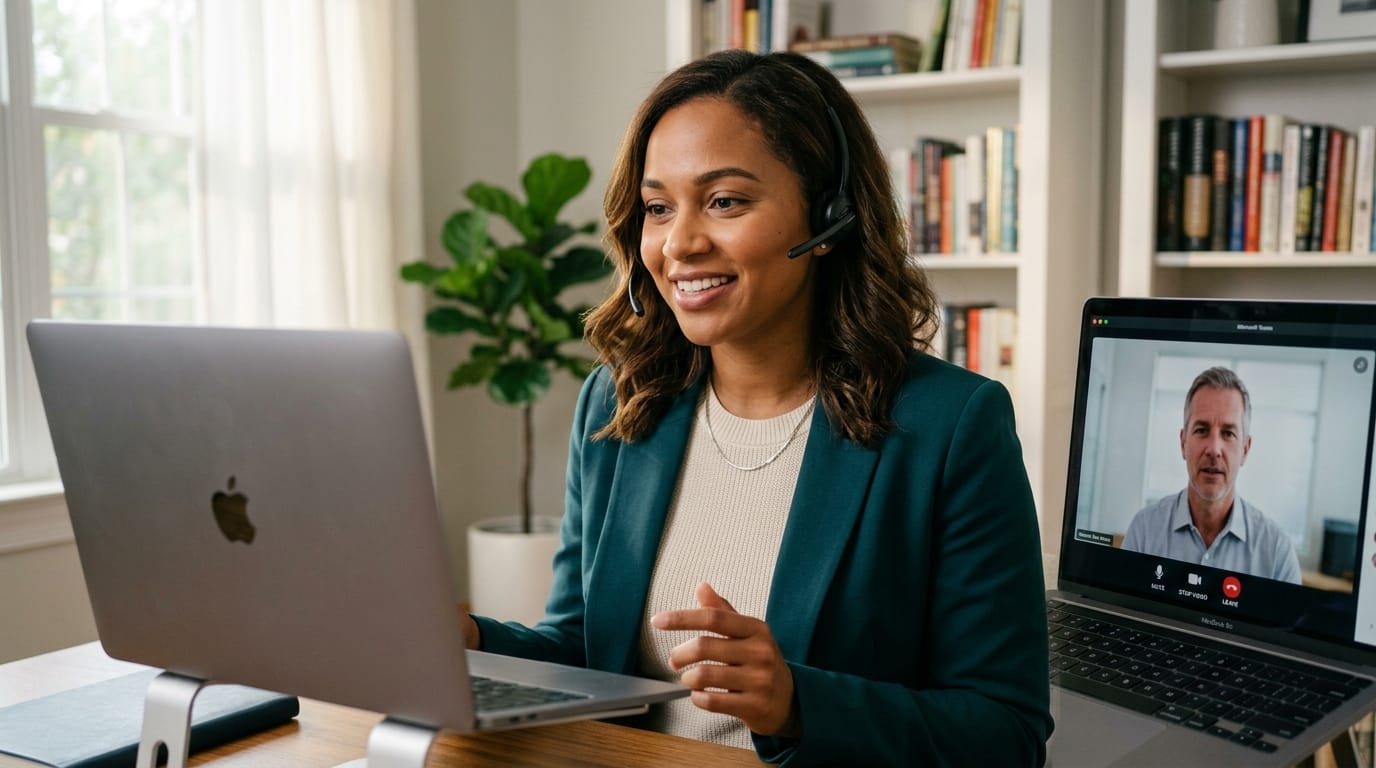
Virtual interviews are no longer just a backup option.
In 2026, they’ve become a standard part of the hiring process for remote, hybrid, and even in-office roles. For many companies, the first interview now happens through a screen long before you ever meet anyone in person.
And while virtual interviews may seem more comfortable than traditional ones, they come with their own challenges. Poor eye contact, technical issues, awkward communication, and lack of preparation can quickly leave the wrong impression, even if you’re qualified for the role.
The good news is that virtual interviews are a skill. And like every skill, they can be improved with the right preparation.
Here’s how to stand out and perform confidently in a virtual interview in 2026.
1. Treat a Virtual Interview Like a Real One
A lot of candidates unknowingly become too relaxed during online interviews.
Because you’re sitting at home, it can feel informal. But recruiters still evaluate virtual interviews the same way they evaluate physical ones.
That means:
- Showing up early
- Dressing professionally
- Preparing properly
- Maintaining focus throughout the conversation
The setting may be virtual, but the evaluation is very real.
2. Test Your Setup Before the Interview Starts
One of the fastest ways to ruin confidence is scrambling with technical issues minutes before the interview begins.
Before the interview:
- Test your internet connection
- Charge your devices
- Check your microphone and camera
- Close unnecessary tabs and apps
- Make sure your meeting link works
You should also sit in a quiet environment with minimal distractions.
According to LinkedIn’s Virtual Interview Guide, testing your video conferencing software and equipment ahead of time is a critical step that prevents potential delays and helps you make a professional first impression.
3. Pay Attention to Lighting and Camera Position
Many candidates overlook this completely.
Bad lighting or awkward camera angles can make you appear distracted, tired, or disengaged, even when you’re not.
Simple adjustments help:
- Keep lighting in front of you, not behind you
- Position your camera at eye level
- Avoid cluttered backgrounds
- Maintain a clean, professional setup
You do not need an expensive setup. You just need a clear and distraction-free environment.
4. Practice Speaking Clearly on Camera
Virtual communication feels different from face-to-face conversation.
There are usually:
- Slight delays
- Fewer body language cues
- Less natural conversational flow
Because of this, candidates who ramble or speak too quickly often struggle online.
The best approach is to:
- Slow down slightly
- Pause after important points
- Keep answers structured
- Avoid over explaining
This is where Preplink.ai Mock Interview can help. Practicing in a realistic interview environment makes it easier to become comfortable speaking confidently on camera before the real interview happens.
5. Prepare for Common Interview Questions
Even in virtual interviews, recruiters still ask familiar questions like:
- Tell me about yourself
- Why do you want this role?
- What are your strengths?
- Describe a challenge you faced
- Why should we hire you?
The mistake many candidates make is trying to memorize perfect answers.
Instead, focus on:
- Understanding your experience clearly
- Using examples
- Showing measurable impact
- Keeping answers concise
Structured answers are easier to follow during online conversations.
6. Learn How to Maintain Virtual Eye Contact
Eye contact works differently during virtual interviews.
If you constantly look at yourself on the screen, it may seem like you’re distracted.
Instead:
- Look into the camera when speaking
- Occasionally glance at the interviewer naturally
- Avoid staring at your own video feed
This small adjustment makes your communication feel more direct and confident.
7. Review Your Resume Before the Interview
Many candidates underestimate how often interviewers reference resumes during online interviews.
Be ready to explain:
- Projects
- Achievements
- Technical skills
- Career gaps
- Measurable results
You should never sound unfamiliar with your own experience.
If your resume feels weak, unclear, or outdated, Preplink.ai Resume Scan can help identify areas that may affect how recruiters perceive your experience during interviews.
8. Eliminate Distractions Completely
Recruiters notice distractions faster in virtual interviews because they are already focused closely on your screen presence.
Before the interview:
- Silence notifications
- Put your phone away
- Inform people around you
- Close social media tabs
Even small interruptions can break your focus and affect your confidence.
9. Prepare Questions for the Interviewer
One of the easiest ways to sound engaged is by asking thoughtful questions at the end of the interview.
Good questions include:
- What does success in this role look like?
- What challenges is the team currently facing?
- What qualities do successful employees here usually have?
- How would you describe the company culture?
Asking thoughtful questions shows confidence, preparation, and genuine interest in the role. It also helps turn the interview into a real conversation instead of a one-sided Q&A session.
Read 10 Smart Interview Questions to Ask Your Interviewer (Plus 3 You Should Avoid)
10. Focus on Connection, Not Perfection
Many candidates fail virtual interviews because they become overly focused on sounding perfect.
But interviewers are usually paying attention to:
- Communication
- Confidence
- Clarity
- Professionalism
- Problem-solving ability
A small mistake will not automatically ruin your interview.
What matters more is how confidently and calmly you recover from it.
Final Thoughts
Virtual interviews in 2026 are no longer optional skills for job seekers. They are now a core part of modern hiring.
The candidates who perform best are usually not the ones with perfect answers. They are the ones who:
- Prepare properly
- Communicate clearly
- Stay calm under pressure
- And present themselves professionally online
With the right preparation, virtual interviews become far less intimidating, and much easier to navigate confidently.
And in today’s hiring market, that confidence can make all the difference.