7 Essential Remote Work Skills You Must Master to Stay Competitive in 2026
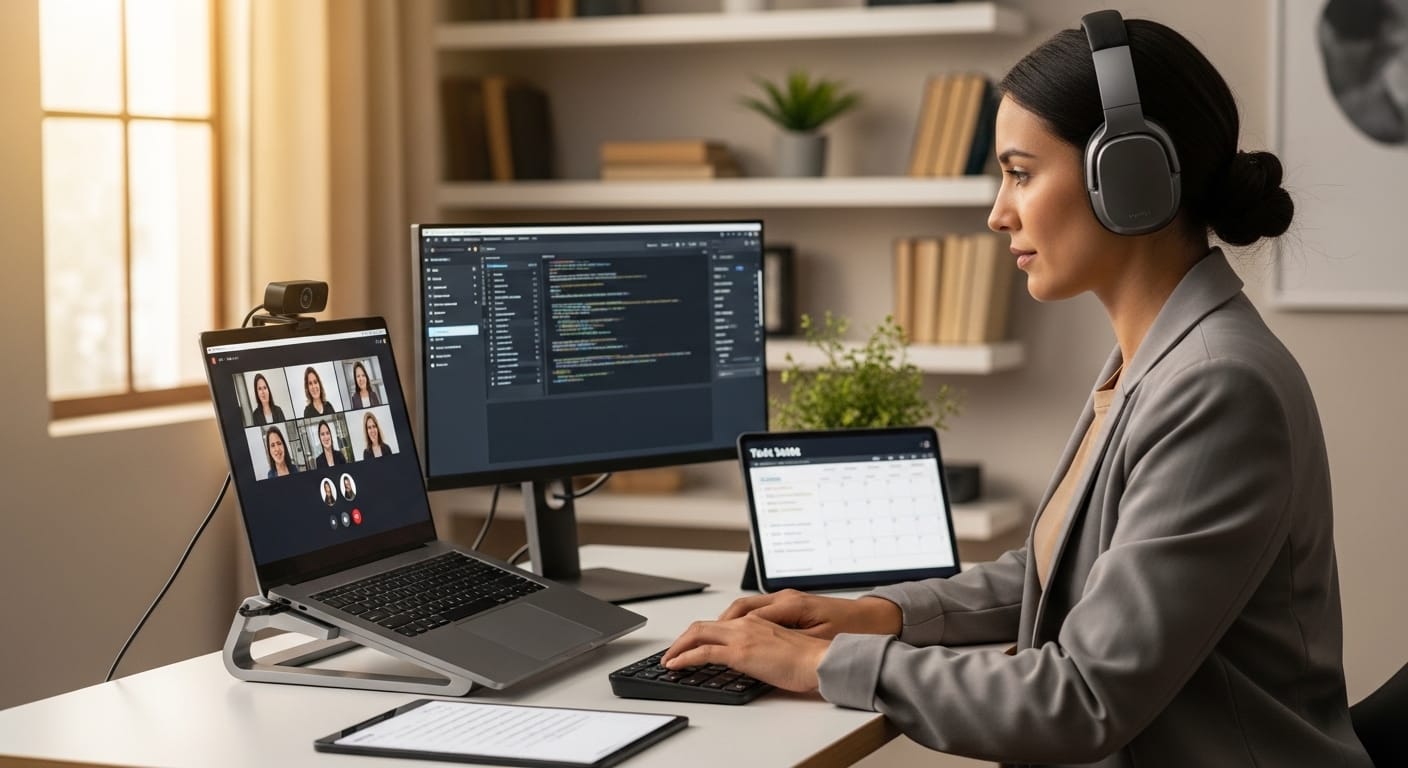
Remote work is no longer a trend, it’s the standard for many roles across industries. But while more opportunities are available, the expectations have also changed.
Working remotely isn’t just about having a laptop and internet connection. Employers are now looking for people who can manage themselves, communicate clearly, and deliver results without constant supervision.
If you want to stay competitive in 2026, it’s not enough to apply for remote jobs, you need to develop the skills that make you effective in that environment.
Here are seven essential remote work skills that can set you apart.
1. Clear and Effective Communication
When you’re working remotely, communication becomes everything. There are no quick desk conversations or in-person clarifications, so how you express yourself matters more.
This includes:
- Writing clear emails and messages
- Giving updates without being prompted
- Asking the right questions when something isn’t clear
Poor communication slows teams down. Strong communication does the opposite, it builds trust and keeps work moving.
A simple habit that helps? Before sending any message, ask yourself: “Will this be clear to someone who doesn’t have context?” If the answer is no, refine it.
2. Time Management and Self-Discipline
Remote work gives you flexibility, but it also requires structure.
Without a manager physically present, you need to:
- Plan your day effectively
- Prioritize tasks based on deadlines
- Stay focused without constant supervision
Employers want people they can trust to get work done. If you can manage your time well and consistently meet deadlines, you instantly become more valuable.
3. Ability to Work Independently
In a remote environment, you won’t always have immediate support. You’re expected to figure things out, solve problems, and keep moving forward.
This doesn’t mean working in isolation, it means:
- Taking initiative
- Making decisions when needed
- Knowing when to seek help without slowing down progress
Being dependable and proactive is what separates average remote workers from top performers.
4. Digital Collaboration Skills
Remote work relies heavily on tools and platforms for teamwork. Knowing how to collaborate online is essential.
This includes:
- Working with shared documents
- Managing tasks in project management tools
- Participating in virtual meetings effectively
It’s not just about using tools, it’s about using them efficiently so that work flows smoothly across teams.
Good collaboration makes remote teams feel connected. Poor collaboration creates confusion and delays.
5. Adaptability and Flexibility
Remote work environments change quickly. You might deal with:
- New tools or systems
- Different time zones
- Changing priorities or workflows
Being adaptable means you can adjust without losing momentum. Employers value candidates who stay productive even when things shift.
This is one of those skills employers don’t always list, but they definitely look for. People who can stay steady during change are incredibly valuable.
6. Accountability and Reliability
One of the biggest concerns employers have about remote workers is accountability.
Can you be trusted to:
- Deliver work on time?
- Follow through on tasks?
- Take ownership when something goes wrong?
Reliability builds trust. And in remote teams, trust is everything.
7. Continuous Learning and Self-Improvement
The most successful remote professionals don’t stay static. They keep improving.
This could involve:
- Learning new tools or software
- Taking online courses
- Practicing skills relevant to your role
Staying competitive in 2026 means staying updated. The more you invest in your growth, the more opportunities you create for yourself.
How to Build These Skills Faster
Knowing these skills is one thing, developing them is another.
Here are a few practical ways to build them:
- Take on small projects or freelance work
- Practice communicating clearly in emails and messages
- Use tools that simulate real work environments
- Track your productivity and improve your workflow
You can also use platforms like Preplink.ai to strengthen your job readiness:
Resume Builder helps you highlight remote-friendly skills clearly
Resume Scan ensures your resume aligns with remote job requirements
Mock Interview lets you practice answering remote job interview questions confidently
Final Thoughts
Remote work gives you access to opportunities beyond your location, but it also raises the bar.
It’s no longer enough to say, “I want a remote job.”
You need to show that you can work effectively in that environment.
If you build these seven skills, communication, discipline, independence, collaboration, adaptability, accountability, and continuous learning, you won’t just qualify for remote roles.
You’ll stand out in them.
And in 2026, that’s what really matters.